
CureGBM is dedicated to pioneering a breakthrough in brain tumour treatment through innovative sonodynamic therapy. Our non-invasive approach gently targets tumours, improving patient outcomes and enhancing their quality of life. Join us in our mission to transform healthcare.
Our Mission: To make Sonodynamic Therapy (SDT) the Third Treatment for Brain Tumours, after surgery and Chemo/Radiotherapy.
Choose Your Journey...
What is GBM?
The most common primary brain tumour is Glioblastoma (GBM) which gives an average life expectancy of only 14 months despite current treatment of surgery and chemo/radiotherapy. GBM is a disease without cure.
GBM spreads through the brain making it near impossible to remove surgically and it is made up of different subtypes, some of which always survive the treatments above and regrow as a resistant tumour.
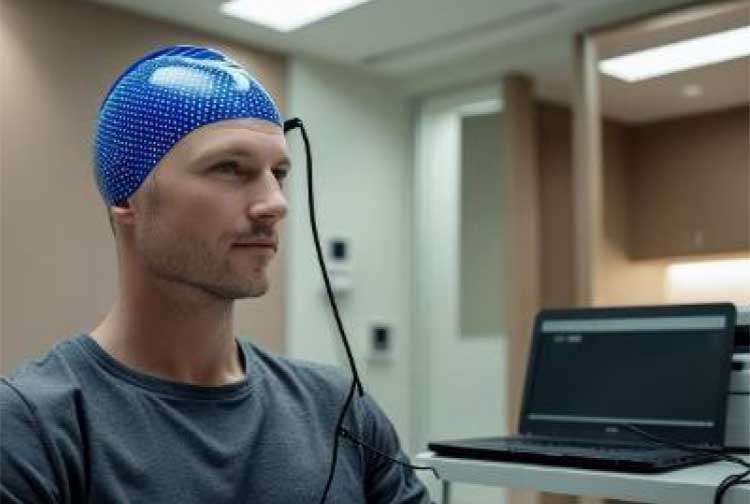
Sonodynamic Therapy (SDT) uses focused ultrasound to activate a drug called ‘5-ALA’ which selectively accumulates in brain cancer cells. This causes the tumour cells to auto-destruct, whilst sparing the normal brain tissue. The treatment is performed awake, in an outpatient clinic, as a day-case procedure. CureGBM is dedicated to bringing SDT to patients with GBM.
Announcing our 2026 Trial of SDT for GBM
Who is the Trial for?
This safety trial is for people with Glioblastoma (GBM) that have previously been treated with maximal resective surgery, radio- and chemotherapy. Patients must be independent of daily activities, aged over 22 years old, and not part of another research trial / experimental treatment.
How to Enrol
The trial will be in Bern, Switzerland starting in early 2026.
Initial enquiries can be made to the team at CureGBM via info@CureGBM.co.uk The information will be held and you will be contacted by the enrollment team from Bern when trial eligibility opens.
Medical Mission
Patient Support
CureGBM has a patient advocate who will be able to answer any questions you may have about the trial and direct any medical queries to the relevant clinicians involved in the trial.
Satisfaction
We will collect questionnaires at the beginning and end of the study to help assess your response to treatment and provide your insights for future trial design and delivery, as part of our quality assurance program.
References
1. Schulder M, Johns T, Mechtler L et al. Results from a phase I study of sonodynamic therapy with holohemispheric low-intensity non-ablative ultrasound in patients with recurrent high grade glioma. J.Neuro-onc (suppl 8): viii99.
2. Syed HR, Kilburn L, Fonseca A, et al. First-in-human sonodynamic therapy with ALA for pediatric diffuse intrinsic pontine glioma: a phase 1/2 study using low-intensity focused ultrasound: technical communication. J Neurooncol. 2023; 162(2):449-451.